Chapter 7
The clean break
Most unsecured debt wiped out in about 4 to 6 months, while Florida's exemptions protect most of what you own, often including your home.
Florida bankruptcy counselSe habla español
When the debt has grown past anything an honest budget can fix, the Bankruptcy Code is the tool Congress built for you. We help Florida families and business owners use it, calmly and without shame, to stop the pressure and start again.
Free and confidential. Court costs and filing fees may apply and are explained in writing before any case begins.
Court costs and filing fees may apply and are explained in writing before any case begins.
Four doors, one fresh start
The Bankruptcy Code isn't one-size-fits-all. Each chapter is a different tool, built for a different situation. Here's the short, honest version.
Most unsecured debt wiped out in about 4 to 6 months, while Florida's exemptions protect most of what you own, often including your home.
A 3 to 5 year plan, sized to your real budget, that catches up a mortgage or car and can stop a foreclosure when the case is filed.
The business keeps operating while the debt is restructured, with management usually staying in place as the debtor in possession.
Chapter 11 protection without Chapter 11 weight: the owner stays in control and the reorganization plan is due in 90 days.

The automatic stay
Filing your case triggers the automatic stay, a protection under federal law, 11 U.S.C. § 362. It takes effect the moment your petition hits the court's docket, and it stops:
There are limits for repeat filings and a few exceptions, and we explain those up front. But for most people, the first thing bankruptcy delivers is the first quiet night in a long time.
Miami based, statewide
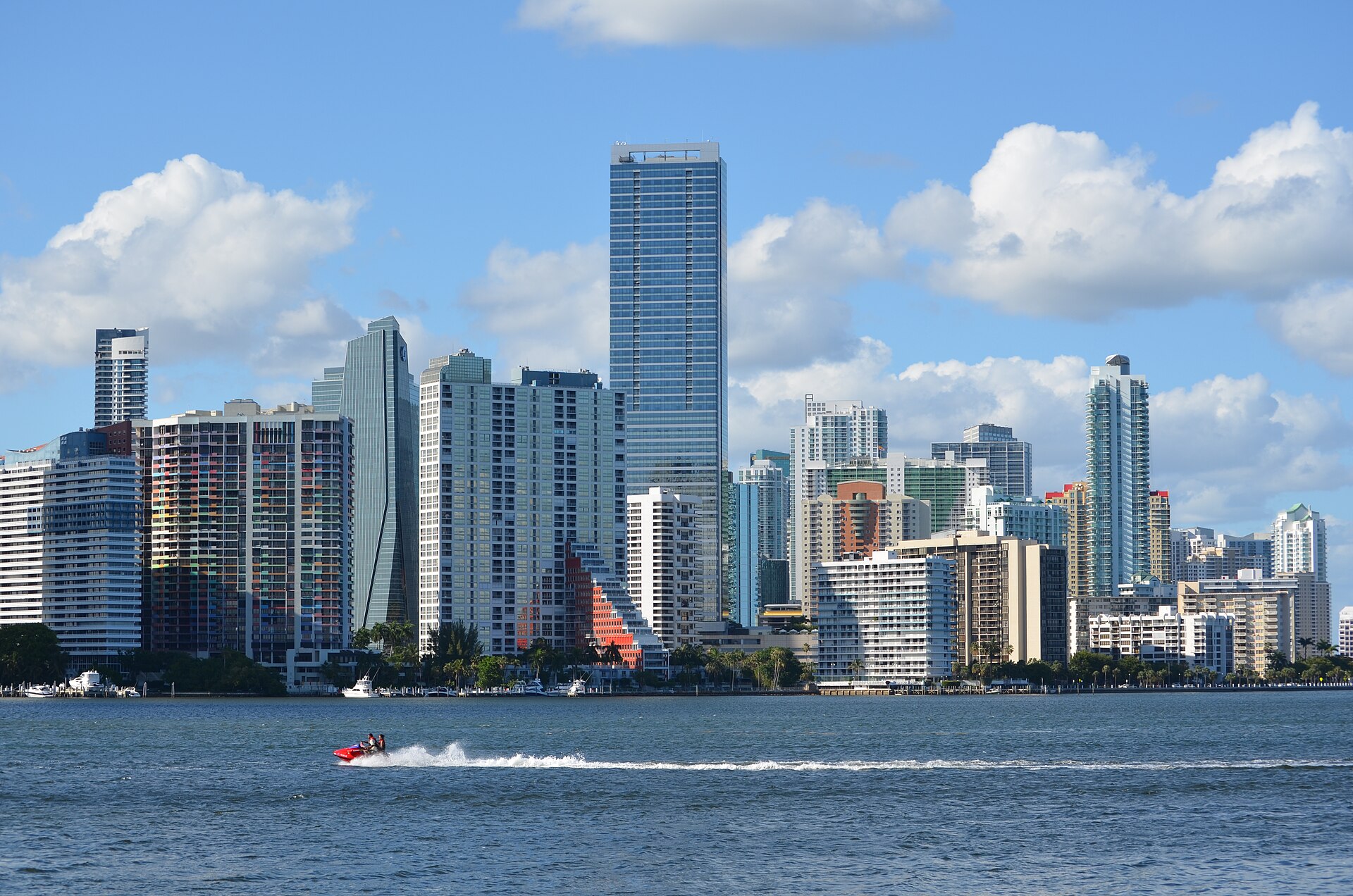
Our office sits in the heart of Miami, and we represent families and business owners in every Florida bankruptcy district, from the Panhandle to the Keys. The portal and a phone call mean the work gets done whether you're down the street or across the state.
How it works
Use the 3-minute online check, in English or Spanish, or just call. Plain questions, no legal vocabulary, and a first read on which chapter fits your situation.
Every case is reviewed and approved by the attorney before any fee is paid. If bankruptcy is not the right move for you, you'll hear that plainly, along with what to do instead.
Filing triggers the automatic stay, and from there the portal walks you to discharge: your exact document checklist, every deadline on a calendar, your case status visible day and night.
Court costs and filing fees may apply and are explained in writing before any case begins.

A modern practice
Bankruptcy runs on paperwork and deadlines, so we run yours through a secure client portal. Your exact document checklist is built before you ever sit in a waiting room. Every court deadline lands on an automatic calendar the day your case opens. And you can log in any time, day or night, and see exactly where things stand.
No calling the office to ask what's happening. No surprise document requests three weeks in. The portal works in English and Spanish, and everything in it can be uploaded from your phone.
Start the 3-minute assessmentYour documents
Deadlines
Case status: Petition filed. The automatic stay is in effect. Next step: your 341 meeting, and we prepare you for every question.

Rafael Recalde, Esq.
Founder, Recalde Law Firm, P.A.
Your attorney
Financial trouble doesn't make you a lesser client. The people who walk through this door are honest people using a legal tool Congress built for them.
Rafael Recalde has practiced law for more than 18 years, much of it where law meets finance: an SEC regulatory background, years in the legal department of Citigroup Latin America, and admissions to The Florida Bar and the District of Columbia Bar. He brings that training to families and business owners across Florida, in English and in Spanish, from his office on Brickell Avenue.
More about Rafael and how he worksDay 14
Schedules and statements due after filing. On your calendar from day one.
Day 21 to 50
The 341 meeting of creditors. Usually minutes long, and we prepare you for it.
Day 90
Subchapter V reorganization plan deadline. Fast relief by design.
80+
Plain-English guides on this site, open to everyone, in writing you can actually use.
Deadlines under the Federal Rules of Bankruptcy Procedure and 11 U.S.C. § 1189(b). Every one lands on your portal calendar the day your case opens.
Plain English, no homework required
Chapters & Process
How the automatic stay under 11 U.S.C. § 362 works: what collection activity stops immediately, the exceptions, repeat-filer limits, and what happens if a creditor violates it.
5 min read
Chapters & Process
A side-by-side timeline of Chapter 7 and Chapter 13 bankruptcy in Florida: every major deadline from the day of filing to discharge, and what the difference in duration buys.
5 min read
Chapters & Process
What the bankruptcy discharge actually is, which debts it erases, which debts survive, when it arrives in Chapter 7 and Chapter 13, and the time bars between cases.
5 min read
Straight answers
No. This is the single biggest myth. Florida has some of the strongest exemptions in the country, including the homestead exemption, which can protect your home entirely in most cases. Most Chapter 7 filers in Florida keep everything they own.
Yes. Many filers begin receiving credit offers within months of discharge, because lenders know the old debt is gone and a new filing is barred for years. Every credit history is different, and past results do not predict future outcomes.
Usually not. Bankruptcy is a public court record, but no one notifies your employer in a typical Chapter 7, and federal law prohibits firing you because you filed.
A court filing fee set by the judiciary, plus attorney fees quoted flat and up front after your case is reviewed. You pay nothing until the attorney has reviewed and approved your case. Court costs and filing fees may apply and are explained in writing before any case begins.
Prefer to talk first?
If forms and portals aren't your style, leave your details and a member of the team will reach out. Tell us what's happening in one sentence and we'll take it from there, in English or Spanish.
Or call now: (305) 792-9100
Three minutes in the portal gives you a first read on your options. An attorney reviews everything before you pay a cent.
Free, confidential, no obligation. Se habla español. Court costs and filing fees may apply and are explained in writing before any case begins.